How to say happy birthday in Japanese
Happy birthday in Japanese is otanjoubi omedetou (お誕生日おめでとう), or the more polite otanjoubi omedetou gozaimasu (お誕生日おめでとうございます). It shares a root with the general word for congratulations, omedetou (おめでとう), which covers most other celebrations too.
Happy birthday: otanjoubi omedetou
Otanjoubi omedetou (お誕生日おめでとう) is the standard happy birthday, casual enough for friends and family. For someone you'd normally speak more politely to — a coworker, an older acquaintance — add gozaimasu: otanjoubi omedetou gozaimasu (お誕生日おめでとうございます).
Tanjoubi (誕生日) means "birthday" on its own; the o- prefix is a politeness marker, and omedetou is the congratulations word doing the actual work. That structure — [occasion] + omedetou — is the pattern behind most of the celebration phrases below.
How to say congratulations in Japanese
Omedetou (おめでとう) by itself means congratulations, and it's flexible — it works for birthdays, graduations, promotions, engagements, passing an exam, more or less any good news. The polite version, omedetou gozaimasu (おめでとうございます), is the safer choice with anyone outside your close circle.
Because so many Japanese celebration phrases are just an occasion word plus omedetou, learning this one phrase unlocks most of the others: gokekkon omedetou (ご結婚おめでとう) for a wedding, goukaku omedetou (合格おめでとう) for passing an exam, sotsugyou omedetou (卒業おめでとう) for graduation.
Omedetou also works on its own as a quick reaction to good news someone just told you — hearing a friend got a new job or passed a test is enough context; you don't need to name the occasion out loud for it to make sense.
How to say happy new year in Japanese
Akemashite omedetou gozaimasu (明けましておめでとうございます) is happy new year — but unlike English, it's specifically a greeting for after the year has actually turned, not a wish for the year ahead said in the final days of December. Akemashite relates to the year having "opened" or dawned, so the phrase is used starting on New Year's Day itself and through the following days, not as an early well-wish beforehand. If you want something to say in the days leading up to New Year's, yoi otoshi o (良いお年を, "have a good year-end") is the phrase for that instead — it's what colleagues and friends say to each other before parting for the holidays, precisely because akemashite omedetou would be premature at that point.
How to say merry Christmas in Japanese
Merii Kurisumasu (メリークリスマス) is a direct loanword from English, written in katakana the way most borrowed Western terms are. Christmas isn't a public holiday in Japan and doesn't carry the religious weight it does elsewhere — it's celebrated more as a commercial, couples-and-family occasion, with lights, seasonal treats, and cake, rather than a day off work. Saying merii kurisumasu is completely natural and understood everywhere; just don't expect it to function the way December 25th does in a country where it's a holiday.
Because it's a loanword rather than a native phrase, there's no separate casual or polite form to worry about — merii kurisumasu works the same way whether you're saying it to a close friend or a stranger at a shop counter.
The celebration phrases together
| Occasion | Phrase | Romaji |
|---|---|---|
| Happy birthday | お誕生日おめでとう(ございます) | Otanjoubi omedetou (gozaimasu) |
| Congratulations (general) | おめでとう(ございます) | Omedetou (gozaimasu) |
| Happy new year | 明けましておめでとうございます | Akemashite omedetou gozaimasu |
| Merry Christmas | メリークリスマス | Merii Kurisumasu |
Add gozaimasu to any of the first two when speaking politely; the new year and Christmas phrases don't have a casual/polite split the same way.
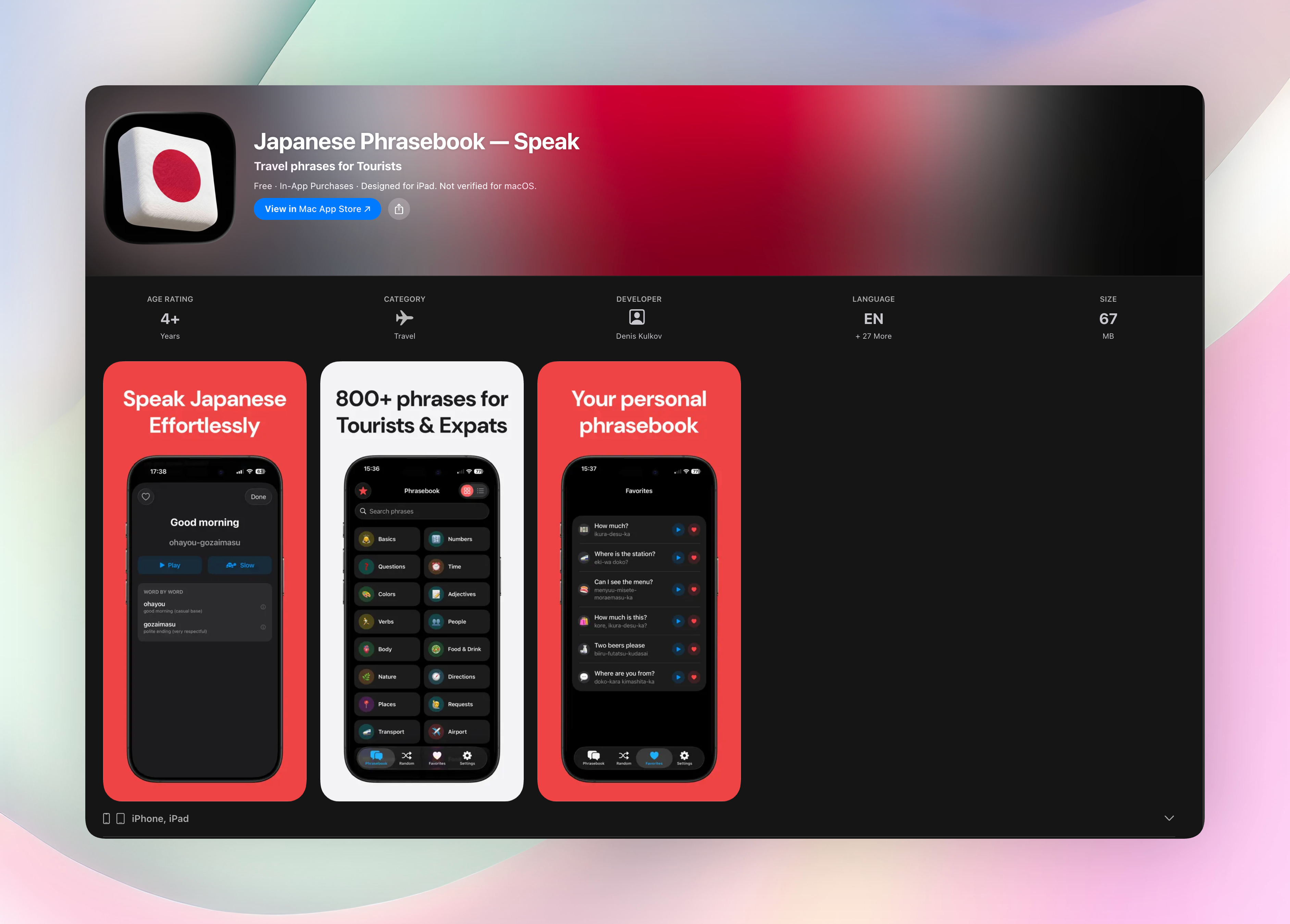
The stress pattern in a longer phrase like akemashite omedetou gozaimasu is easy to get wrong reading it cold off a page. Japanese Phrasebook is an offline app with real-world Japanese phrases organized by category, each with native audio at full and slow speed, so you can hear these celebration phrases said at natural speed before you use them yourself.
For the rest of the everyday phrases a trip calls for, see the basic Japanese phrases for travelers guide, and for the polite thank-you that usually follows any congratulations, how to say thank you in Japanese.
FAQ
How do you say happy birthday casually in Japanese?
Otanjoubi omedetou (お誕生日おめでとう), without gozaimasu, is the casual version for friends and family. Add gozaimasu for anyone you'd normally speak more politely to.
Can you say akemashite omedetou gozaimasu before New Year's Day?
No — it's specifically used once the new year has arrived, not as an early wish beforehand. For the days leading up to New Year's, yoi otoshi o (良いお年を) is the appropriate phrase instead.
Is omedetou only used for birthdays?
No, it's a general congratulations word used for birthdays, graduations, weddings, passing exams, and most good news. The occasion is usually specified before it — otanjoubi omedetou, gokekkon omedetou, and so on.
Is Christmas a big holiday in Japan?
It's widely celebrated but isn't a public holiday and doesn't carry religious significance the way it does in many Western countries — it's more of a commercial, couples-and-family occasion. Merii kurisumasu is still a natural and common thing to say.
Free Japanese Phrasebook tools
- Japanese Date ConverterConvert dates between the Gregorian calendar and Japan's modern Meiji, Taishō, Shōwa, Heisei, and Reiwa era notation.
- Japanese Greeting PickerPick a practical Japanese greeting for morning, daytime, evening, or night.
- Japanese Number ConverterConvert whole numbers between Arabic digits and Japanese numerals, with kanji, kana, and romaji readings for prices, quantities, and travel details.
- Konbini Phrase BuilderChoose what you need at a Japanese convenience store and get two ready-to-use phrases.
- Sumimasen Situation ChooserChoose a situation to see how sumimasen works and add a useful follow-up.